
Transform Your Pain with Simple Stretches
Discover evidence-based stretching techniques designed to relieve chronic pain, improve mobility, and restore your quality of life. No equipment needed. No complicated routines. Just effective relief you can practice anywhere.
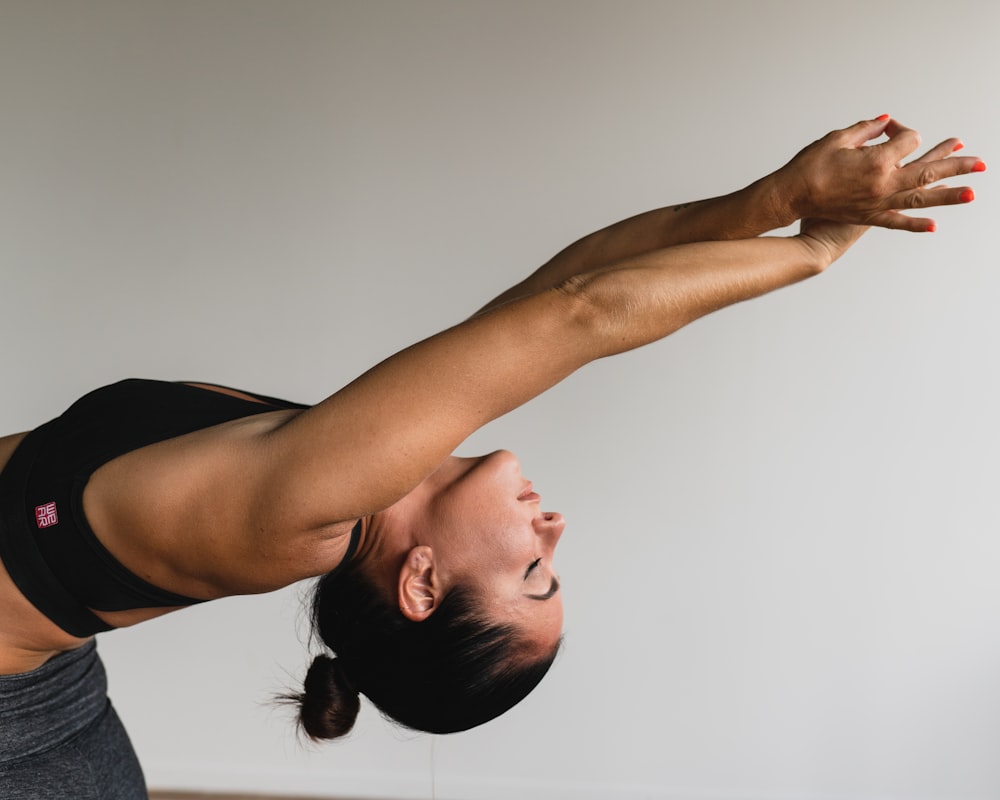

Why Stretching Works Better Than Pills
Unlike temporary pharmaceutical solutions, stretching addresses the root causes of pain: muscle tension, reduced range of motion, and poor circulation. Regular stretching increases flexibility, enhances blood flow to affected areas, and reduces inflammation naturally.
Research suggests that consistent stretching practices may help reduce the sensation of chronic pain over several weeks. The benefits are cumulative, sustainable, and free from side effects. Your body responds to gentle, progressive loading with lasting improvements.
- Immediate Relief: Feel tension melt away within minutes of starting a routine.
- Long-Term Results: Build strength and resilience that lasts months and years.
- Zero Side Effects: Safe for all ages and conditions when performed correctly.
- Accessible Anywhere: No gym, equipment, or special environment required.
Your 4-Step Relief Journey
Follow this proven progression to build a sustainable stretching practice that delivers lasting pain relief.
Assess Your Pain
Identify which areas of your body experience the most tension and discomfort. Keep a simple log of pain levels morning and evening to track progress.
Start with Basics
Begin with gentle, foundational stretches. Hold each position for 20-30 seconds without bouncing. Perform exercises 3-4 times weekly for the first two weeks.
Progress Gradually
Increase duration to 45-60 seconds per stretch. Add advanced variations that target deeper muscle groups. Move to 5-6 sessions per week.
Maintain & Sustain
Establish a daily 15-minute routine that becomes part of your lifestyle. Continue monitoring pain levels and adjust intensity as needed.
Top Relief Exercises
Our editors have curated the most effective stretches for common pain areas. Each exercise targets specific muscle groups and fascia for maximum relief.
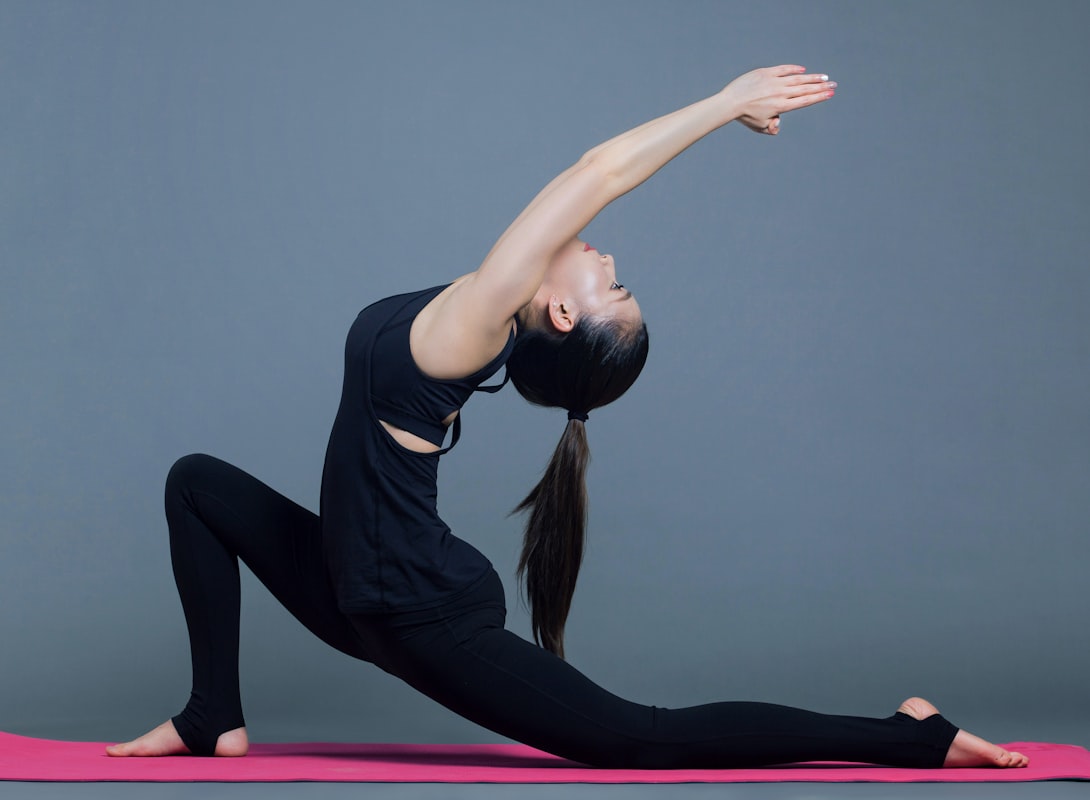
Hamstring Stretch
Target tight hamstrings that contribute to lower back pain. This seated or standing variation reduces tension and improves hip flexibility.

Chest Opener
Release tension from desk work and poor posture. Opening the chest improves breathing, reduces shoulder pain, and restores spinal alignment.
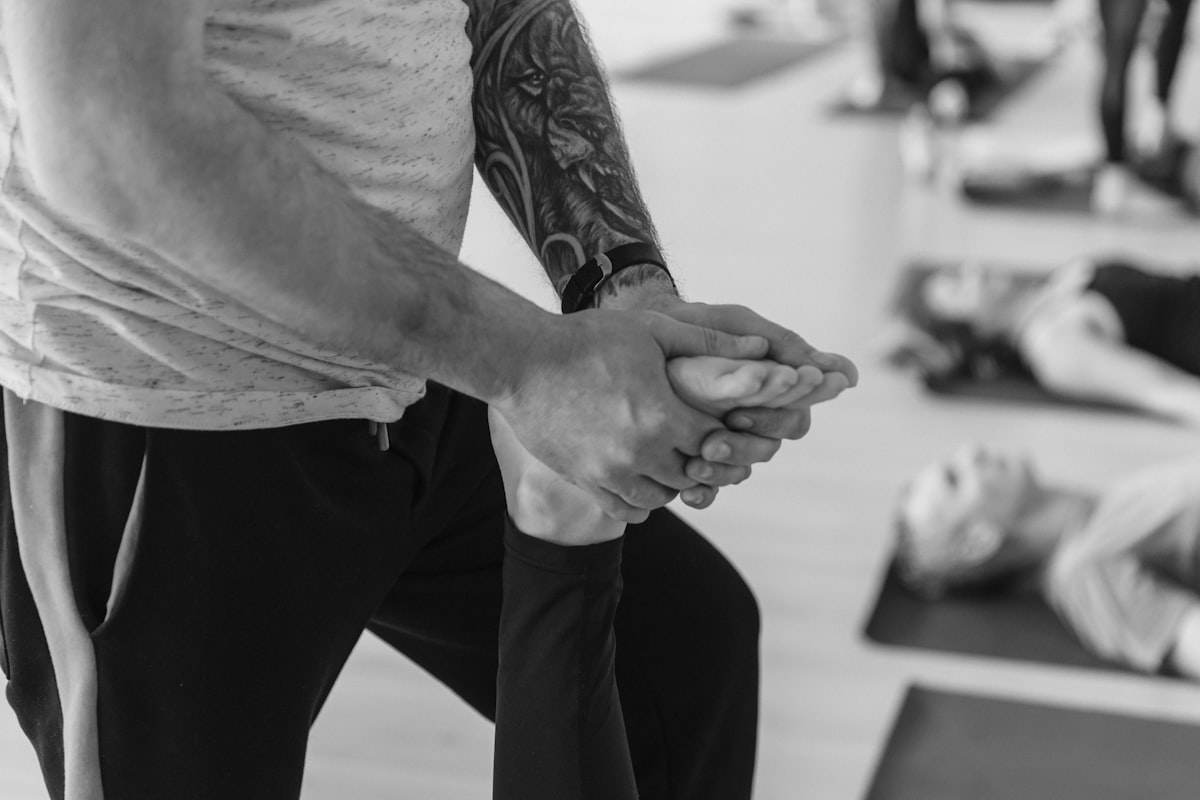
Hip Flexor Stretch
Counteract hours of sitting with this dynamic hip opener. Releasing hip flexors alleviates lower back pain and improves posture naturally.
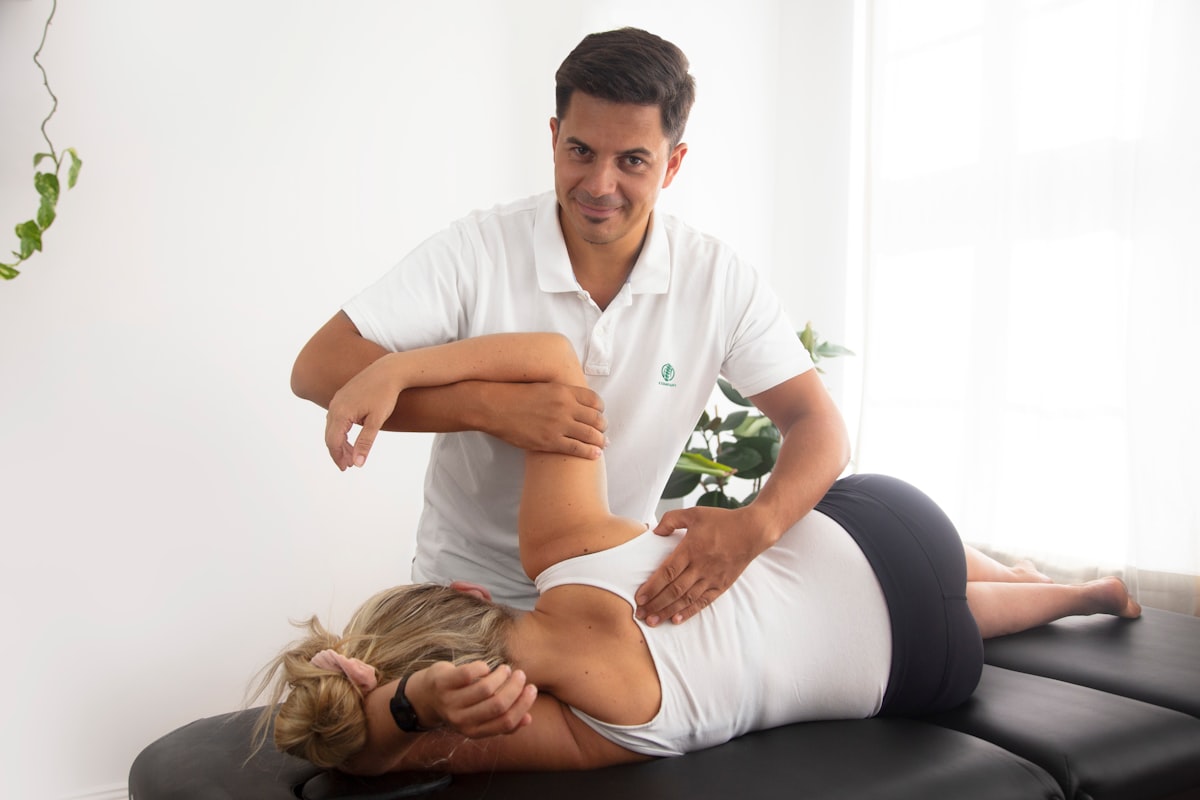
Cat-Cow Stretch
Mobilize your entire spine with this flowing movement. Alternating flexion and extension releases trapped tension and increases cerebrospinal fluid circulation.
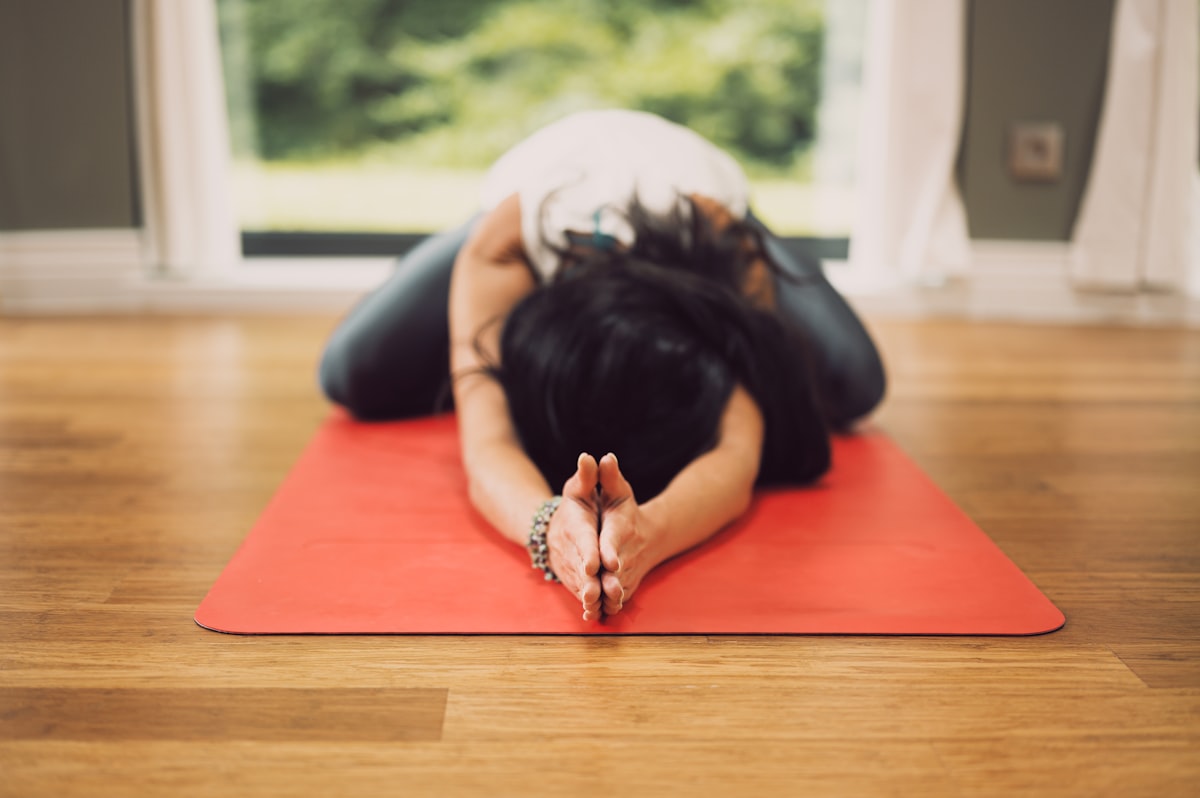
Neck Release
Ease tension from stress and tech neck. Gentle cervical stretches reduce headaches, improve mobility, and prevent chronic neck stiffness.
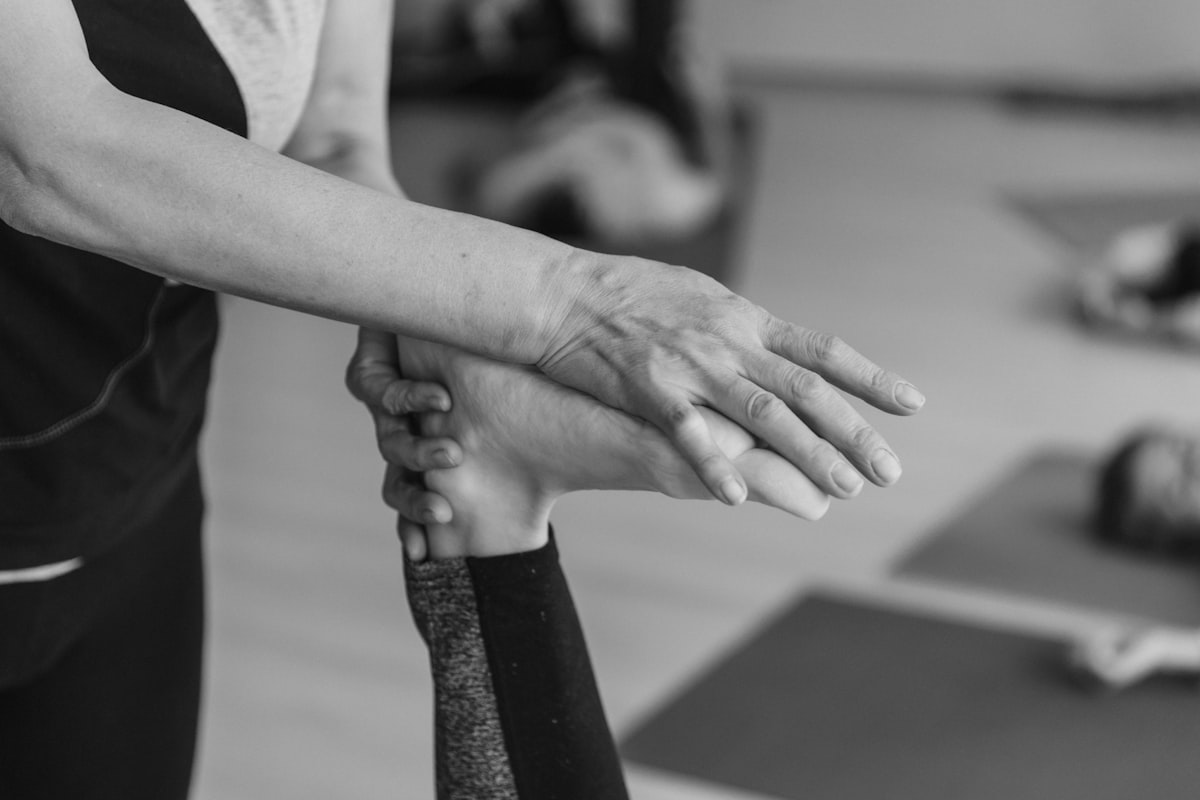
Piriformis Stretch
Target deep glute tension that causes sciatic nerve pain. This stretch provides relief from radiating leg pain and restores hip function.
Real Stories from Real People (Individual results may vary)
Readers share how our evidence-based stretching guides transformed their daily lives and reduced chronic pain.
"I've been following the hamstring and hip flexor stretches for six weeks now, and the difference is remarkable. My lower back pain that bothered me for years is finally manageable. The guides are clear, detailed, and safe to follow at home. Yogatoneritual made stretching approachable and effective."
Sarah Mitchell
Edinburgh, Scotland
"As someone who works at a desk all day, I developed chronic neck and shoulder pain. The chest opener and neck release stretches provide immediate relief. I now spend just 15 minutes each morning on these exercises, and my posture has improved dramatically. Best free resource I've found."
David Chen
London, England
"I was skeptical about whether stretching could help my sciatic nerve pain, but the piriformis stretch has been transformative. Combined with the other exercises in the guide, I've regained mobility and confidence. The detailed instructions and safety tips made all the difference in my recovery."
Jennifer Walsh
Manchester, England
Common Questions About Stretching
Find answers to frequently asked questions about pain relief through stretching.
How long before I see results?
Most people report immediate relief during and after stretching sessions. Meaningful pain reduction typically occurs within 2-4 weeks of consistent practice. Long-term improvements in flexibility and pain management develop over 8-12 weeks with daily routines.
Is stretching safe for all ages?
Yes, stretching is safe for children, adults, and seniors when performed with proper form. However, individuals with specific injuries, joint conditions, or medical concerns should consult healthcare providers before beginning any new physical routine. Our guides include safety modifications for different fitness levels.
Can I stretch if I have an injury?
Gentle stretching can support recovery for some injuries, while others require rest. The key is avoiding pain during the stretch. If a stretch causes sharp or increasing pain, stop immediately. Always discuss new stretching routines with your healthcare provider, especially if you have active injuries or chronic conditions.
How often should I stretch?
For pain relief, aim for 5-6 sessions per week initially. As pain decreases, maintain progress with daily 15-minute routines. Even brief stretching sessions (5-10 minutes) are beneficial when done consistently. Listen to your body and adjust frequency based on your comfort level and results.
Do I need any equipment?
No equipment is required for basic stretching. A yoga mat provides cushioning for floor exercises, and a wall or sturdy chair assists with balance during standing stretches. Many exercises use your own body weight and positioning. Props are optional but can enhance comfort and safety.
Should I stretch before or after exercise?
Dynamic stretching (active movement) before workouts prepares muscles for activity. Static stretching (holding positions) is most beneficial after exercise when muscles are warm and pliable. For pain relief outside of workouts, stretch whenever your body signals tension or discomfort, typically morning and evening.
Start Your Pain-Free Life Today
Explore our comprehensive collection of stretching guides, exercise tutorials, and pain management articles. Join thousands of readers discovering natural, effective relief through evidence-based practices.
Have questions about our content? Contact our editorial team for feedback and inquiries.